James Bond in French Castles: The Real 007 Filming Locations in France
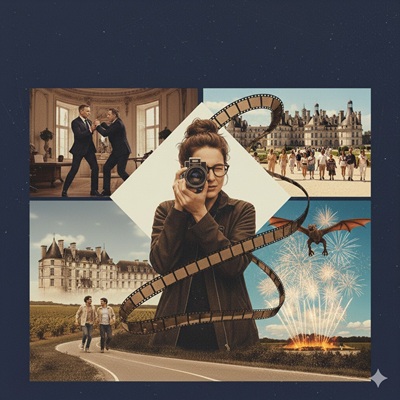
L’univers de James Bond est indissociable du luxe, du pouvoir et de décors spectaculaires, et la France y occupe une place plus stratégique qu’on ne l’imagine. Derrière la magie du montage et les scénarios internationaux, plusieurs monuments emblématiques français ont servi de véritables décors à la saga. Dans Moonraker, Bond quitte l’aéroport de Paris en hélicoptère pour rejoindre la résidence du milliardaire Hugo Drax, censée se situer en Californie ; pourtant, l’appareil atterrit en réalité devant le somptueux Château de Vaux-le-Vicomte. Ce chef-d’œuvre du XVIIe siècle, avec son architecture parfaitement symétrique et ses jardins dessinés par Le Nôtre, devient à l’écran un repaire international ultrasecret, illustrant parfaitement la capacité du cinéma à transformer un joyau du patrimoine français en domaine de milliardaire visionnaire. Quelques années plus tard, dans A View to a Kill, interprété par Roger Moore, le raffiné Château de Chantilly incarne la propriété du redoutable Max Zorin. Ses Grandes Écuries monumentales et son domaine aristocratique servent de décor aux scènes liées aux chevaux de course, renforçant l’image d’une richesse sophistiquée et d’un pouvoir feutré, typiques des antagonistes de la franchise. La France ne se limite pas aux châteaux : la mythique Tour Eiffel accueille également l’une des séquences les plus emblématiques de Dangereusement Vôtre, avec un dîner sous tension au restaurant Le Jules Verne suivi d’une poursuite spectaculaire qui se conclut par un saut en parachute vertigineux depuis la Dame de Fer. Ce moment iconique mêle haute gastronomie, architecture légendaire et action audacieuse, consolidant l’image glamour et internationale de Paris dans la saga 007. Plus tôt encore, le Château d'Anet apparaît dans Thunderball (Opération Tonnerre) comme demeure du colonel Jacques Bouvard lors de la célèbre scène d’ouverture où Bond s’échappe grâce à un jetpack, l’une des séquences les plus mémorables de toute la franchise. L’association entre une demeure Renaissance et une technologie futuriste résume à elle seule l’ADN de James Bond : tradition et modernité, héritage et innovation, élégance et audace. Ces lieux français, qu’ils soient châteaux classiques ou monuments iconiques, incarnent naturellement les codes visuels de la saga : monumentalité architecturale, salons fastueux propices aux intrigues diplomatiques, jardins théâtraux idéaux pour les confrontations et atmosphère d’exclusivité. Pour les amateurs de cinéma comme pour les passionnés de patrimoine, visiter ces châteaux revient à marcher dans les pas de 007 tout en découvrant l’histoire de France sous un angle international. La rencontre entre le mythe James Bond et les châteaux français illustre parfaitement la puissance du tourisme cinématographique : un dialogue entre fiction et réalité, où les pierres séculaires deviennent le décor d’intrigues planétaires et où le patrimoine national rayonne à travers l’une des franchises les plus célèbres du septième art.
01.
CHATEAU DE VAUX-LE-VICOMTE
The Château de Vaux-le-Vicomte, located in the French commune of Maincy, 50 km southeast of Paris, near Melun, is a 17th-century château built for Nicolas Fouquet, Superintendent of Finances under Louis XIV. It now belongs to a junior branch of the Marquis de Vogà.
02.
CHATEAU DE CHANTILLY
A royal getaway in the heart of France. Escape for a day to this exceptional château, a true jewel of French heritage. From the Musée Condé, home to priceless art collections, to the Great Stables, a tribute to the horse, and the formal French gardens, Chantilly offers a unique experience. Immerse yourself in the history of this princely residence and let yourself be captivated by its timeless charm.
03.
TOUR EIFFEL
Here is a tourist description of the Eiffel Tower, the ultimate emblem of France and its capital. The Eiffel Tower: The Iron Lady at the Top of Paris Inaugurated for the 1889 Universal Exposition, the Eiffel Tower is much more than a feat of wrought iron engineering; it is the universal symbol of Paris and French industrial genius. Rising 330 meters above the Champ de Mars, this audacious structure, conceived by Gustave Eiffel, offers three levels of exploration, each revealing a unique perspective on the City of Lights. The ascent begins on the first floor, with its vertigo-inducing glass floor, then continues to the second floor, renowned for offering the most unobstructed view of iconic monuments: the Louvre, Sacré-Cœur, and the Arc de Triomphe. Finally, the summit offers a more intimate and spectacular experience, allowing visitors to admire the reconstructed office of Gustave Eiffel while taking in the breathtaking horizon. As night falls, the tower transforms into a dazzling beacon, sparkling with a thousand lights every hour, enhancing its timeless magic. Whether for its intricate architecture or the unforgettable panorama it offers, it remains an essential stop for any traveler from around the world.
04.
CHATEAU D'ANET
Built by the architect Philibert de l'Orme for Diane de Poitiers, the favorite of Henry II, the Château d'Anet is a manifesto of the French Renaissance. Although much of the château was destroyed during the Revolution, what remains is exquisitely refined. The entrance gate, surmounted by a monumental clock featuring a stag and hounds, is one of the most famous in France. The château was conceived as a temple dedicated to the goddess Diana, blending classical symbols with aristocratic elegance.
The highlight of the visit is Diane de Poitiers's funerary chapel, a masterpiece of proportion and light with its trompe-l'œil coffered dome. Inside the main building, one can admire mementos of the favorite, period furniture, and rare tapestries. The garden vista, though reduced compared to the original design, retains the geometric harmony that defines the classical spirit. It is a place imbued with melancholy and a very feminine beauty.
Découvrir aussi
cluster
French Castles in Cinema: When Heritage Becomes a Star
circuit
Visiting Château de Chenonceau: Castle Tour, Boat Rides, Stay at Château d’Artigny, and Discoveries around Clos Lucé and Château-Gaillard
All rights reserved | The information given is on a non-contractual basis. Check with the chateaux, restaurants and managers before any engagement.