
Pantheon
Pantheon
1 Members like this place
About Pantheon
Add to favoritesThe Panthéon is a neoclassical monument located in the 5th arrondissement of Paris. In the heart of the Latin Quarter, on the Montagne Sainte-Geneviève, it stands at the center of the Place du Panthéon and is surrounded by, among other buildings, the 5th arrondissement town hall, the Lycée Henri-IV, the Church of Saint-Étienne-du-Mont, the Sainte-Geneviève Library, and the Faculty of Law. The Rue Soufflot provides a visual connection to it, extending as far as the Luxembourg Gardens. Originally intended in the 18th century as a church to house the reliquary of Saint Genevieve, this monument has, since the French Revolution, been dedicated to honoring prominent figures who have shaped French history, with the exception of military careers, which are normally commemorated in the Invalides Military Pantheon. Among those buried here are Voltaire, Jean-Jacques Rousseau, Victor Hugo, Louis Braille, Sadi Carnot, Émile Zola, Jean Jaurès, Jean Moulin, Jean Monnet, Pierre and Marie Curie, André Malraux, and Alexandre Dumas, who was interred there in 2002. Germaine Tillion, Geneviève de Gaulle-Anthonioz, Jean Zay, and Pierre Brossolette were interred there on May 27, 2015. Simone Veil, accompanied by her husband Antoine Veil, has been buried there since July 1, 2018. Maurice Genevoix was interred there on November 11. 2020. The architecture notably incorporates the façade of the Pantheon in Rome, built in the 1st century BC, surmounted by a dome inspired by the Tempietto of the church of San Pietro in Montorio. The various designs of its construction, its decoration, and the inscriptions and symbols it contains allow us to trace the slow and complex development of the French nation. This monument, considered a place of remembrance, is open to the public and managed by the Centre des Monuments Nationaux (National Monuments Centre).
Tip for an even more exceptional visit.
For a truly enriching visit to the Panthéon, the key is to look beyond the monuments to the great figures: weather permitting, be sure to reserve access to the dome's columns. This ascent offers one of the most expansive and unexpected views of Paris, a 360° panorama where the Eiffel Tower and Notre-Dame seem within reach. In the center of the nave, don't just glance at Foucault's Pendulum; position yourself to the side to observe the Earth's rotation in real time, a fascinating scientific experiment beneath a monumental religious structure. The real secret to appreciating the crypt is to descend via the staircase at the far left: rather than frantically searching for famous tombs, linger before the cells of Victor Hugo, Voltaire, and Rousseau, often placed facing each other, symbolizing the battle of ideas beyond death. For an unusual tidbit, look for the frescoes by Puvis de Chavannes depicting the life of Saint Genevieve: they conceal details about Parisian history that few visitors notice. Finally, for the perfect photo without scaffolding or the crowds on the square, walk back to the middle of Rue Soufflot: that's where the perspective between the Corinthian columns and the dome is at its most majestic.
3 Key Dates
-
palette
1791
Voltaire inducted them into the Pantheon in 1791
-
palette
1794
Rousseau inducted them into the Pantheon in 1794
-
skull
1/6/1998
Victor Hugo's national funeral: One million people accompany the poet's coffin to the Pantheon
The stories of your visits
Submit your review.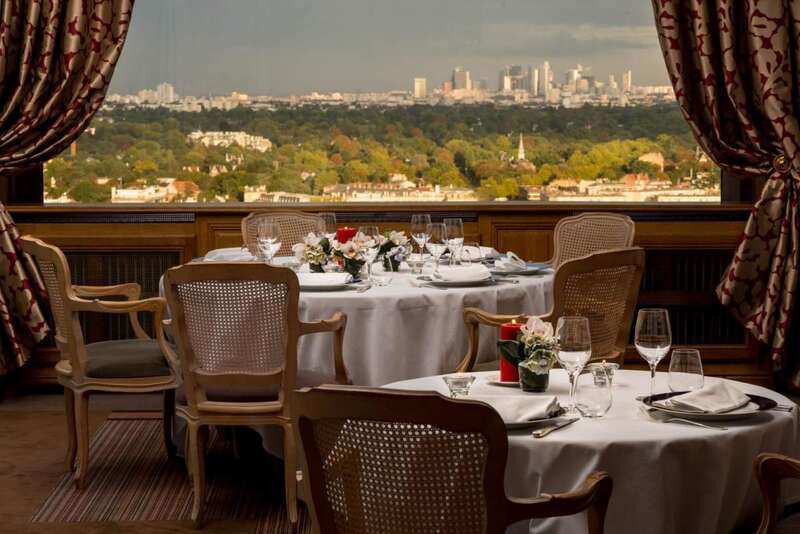
PAVILLON HENRI 4
Ile-de-France
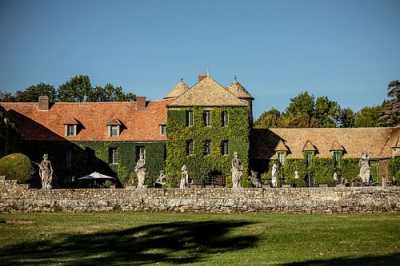
CHATEAU VILLIERS-LE-MAHIEU
Ile-de-France
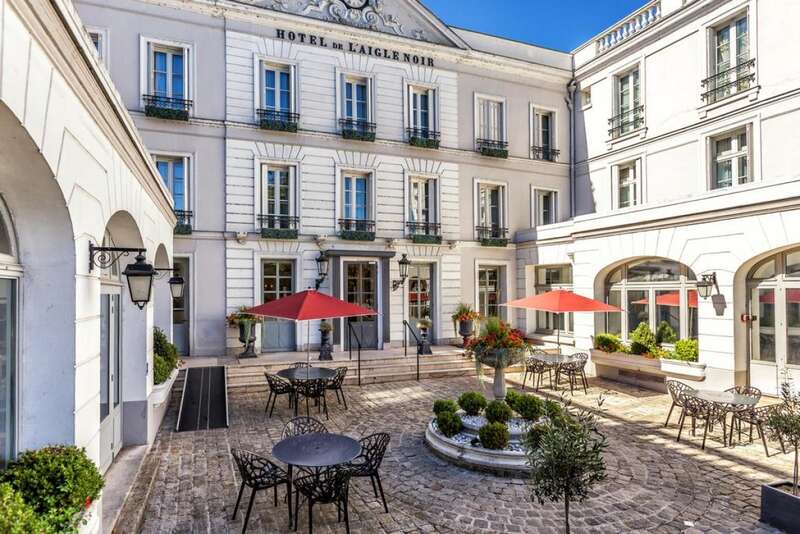
HOTEL L'AIGLE NOIR
Ile-de-France
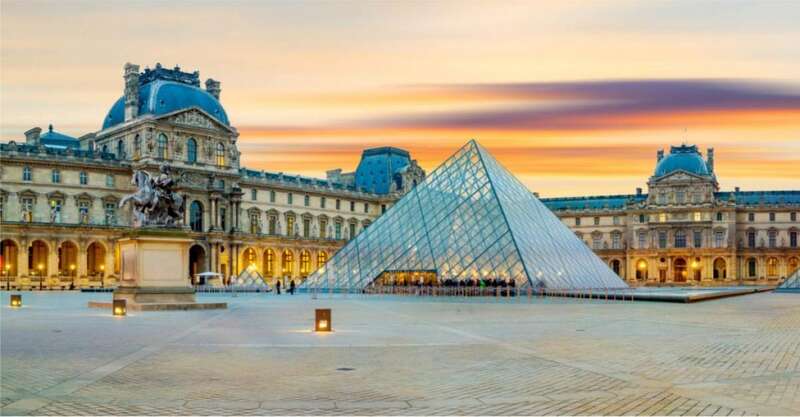
MUSEE DU LOUVRE
Ile-de-France
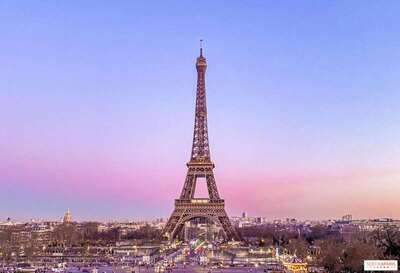
TOUR EIFFEL
Ile-de-France
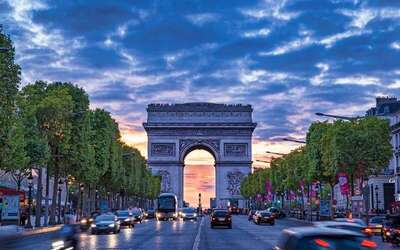
ARC DE TRIOMPHE
Ile-de-France
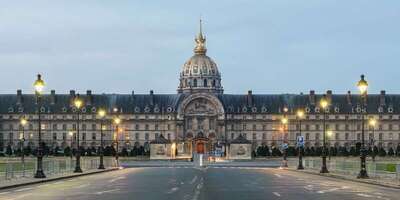
HOTEL NATIONAL DES INVALIDES
Ile-de-France
Check with the chateaux, restaurants and managers before any engagement.