
Lyon Et Sa Region
Lyon Et Sa Region
0 Members like this place
About Lyon Et Sa Region
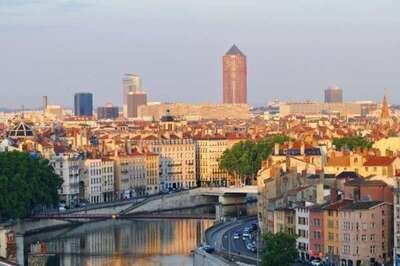
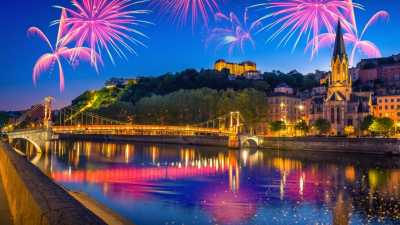
Add to favoritesBetween Heritage and the Art of Living Lyon is a city of many faces, four of whose districts are UNESCO World Heritage sites. Vieux-Lyon (Old Lyon) is a Renaissance gem with its colorful facades and famous traboules, those secret passageways that wind beneath the buildings to connect one street to another. Looking up, one can admire Fourvière Hill, nicknamed "the hill that prays," crowned by its majestic white basilica offering a breathtaking view of the city. Opposite, Croix-Rousse Hill, "the hill that works," preserves the memory of the canuts (silk workers) with its steep slopes and bohemian atmosphere. The city is a veritable open-air museum, from Place Bellecour, one of the largest pedestrian squares in Europe, to the modern Confluence district with its bold architecture. Lyon also shines with its urban art, boasting gigantic painted murals, such as the Fresque des Lyonnais, which tell the city's story. As evening falls, the city is transformed by the brilliance of its expertly orchestrated lighting displays, a reminder that Lyon is the birthplace of cinema, invented here by the Lumière brothers. Gastronomically, Lyon is world-renowned as the capital of gastronomy. The quintessential experience is in a Bouchon Lyonnais, a traditional restaurant with a warm atmosphere where you can savor dishes like tablier de sapeur (tripe), quenelle de brochet (pike quenelle with Nantua sauce), or saucisson brioche (sausage in brioche). Lovers of fresh produce flock to the Halles de Lyon-Paul Bocuse, a true temple of taste where cheeses (such as Saint-Marcellin), cured meats, and the famous pink pralines are displayed like jewels. It's a heartfelt, generous, and convivial cuisine, best enjoyed with a glass of Beaujolais or Côtes-du-Rhône.
Tip for an even more exceptional visit.
To avoid arriving exhausted at the top of the city, take the funicular from Vieux-Lyon station up to Fourvière, but walk back down through the Jardins du Rosaire: this idyllic path offers spectacular views over the city's rooftops and leads directly to the medieval quarter. The secret to discovering the traboules without getting lost (and without disturbing the locals) is to look for the small "Patrimoine Lyon" (Lyon Heritage) plaques on the doorways or to head for the Cour des Voraces (Courtyard of the Voracious) in Croix-Rousse, the most monumental of them all. Finally, if you want to eat in a true bouchon (traditional Lyonnais restaurant) without falling into a tourist trap, make sure it has the official "Bouchon Lyonnais" label and avoid establishments on Rue Saint-Jean that only offer menus in English at the entrance.
The stories of your visits
Submit your review.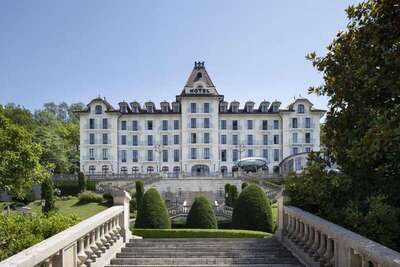
HOTEL LE PALACE DE MENTHON
Auvergne-Rhône-Alpes
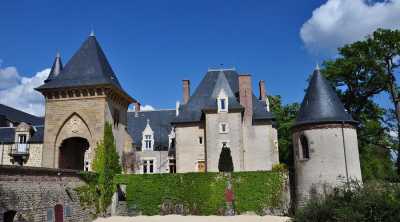
CHATEAU D'ORIGNY
Auvergne-Rhône-Alpes
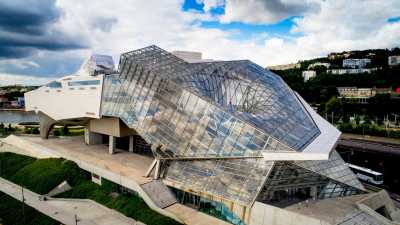
LYON : MUSEE DES CONFLUENCES
Auvergne-Rhône-Alpes
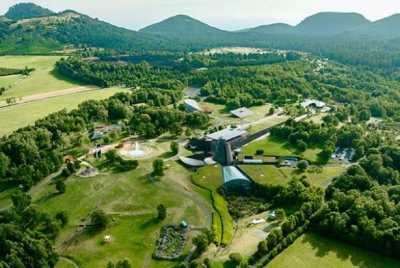
VULCANIA
Auvergne-Rhône-Alpes

VOL EN PARAPENTE LAC ANNECY
Auvergne-Rhône-Alpes
Check with the chateaux, restaurants and managers before any engagement.