
Palais Ideal de Ferdinand Cheval
Palais Ideal de Ferdinand Cheval
15 Members like this place
About Palais Ideal de Ferdinand Cheval
Add to favoritesApril 1879. Ferdinand Cheval, a 43-year-old rural postman, stumbled upon such a strange stone during his rounds that it awakened a dream. A true self-taught man, he would dedicate 33 years of his life to single-handedly building a dream palace in his vegetable garden, inspired by nature, postcards, and the first illustrated magazines he delivered. Traveling some thirty kilometers each day on his rounds through the countryside, he would collect stones, aided by his faithful wheelbarrow. Alone and misunderstood, he inscribed on his monument "the work of one man." His dream palace was completed in 1912. The Ideal Palace of Postman Cheval: In the heart of a lush garden, he imagined an uninhabitable palace, populated by an incredible menagerie—octopus, doe, caiman, elephant, pelican, bear, birds… But also giants, fairies, mythological figures, waterfalls, and architectural styles from every continent. An architectural masterpiece as unclassifiable as it is universal. Unique in the world, the Ideal Palace has inspired artists for over a century. Independent of any artistic movement, built without any architectural rules, the Ideal Palace was admired by the Surrealists and recognized as a work of outsider art. In 1969, it was classified as a Historical Monument by André Malraux, then Minister of Culture, under the category of Naïve Art.
Tip for an even more exceptional visit.
For a truly insightful visit to Ferdinand Cheval's Ideal Palace, the trick is not just to look at the whole thing, but to engage in a close, tactile exploration. Get closer to spot the unusual materials that Cheval collected during his rounds: seashells, coral, but especially his famous "bizarre stones" (sandstone with tormented shapes). The secret is to look for the texts and mottos engraved directly into the stone by the postman, such as: "Where dreams become reality."
The stories of your visits (en-US)
Submit your review.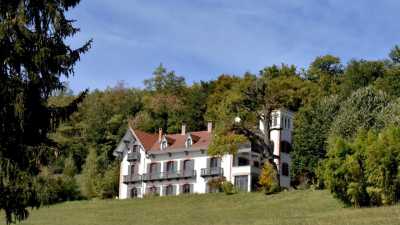
LE DOMAINE DE DONY
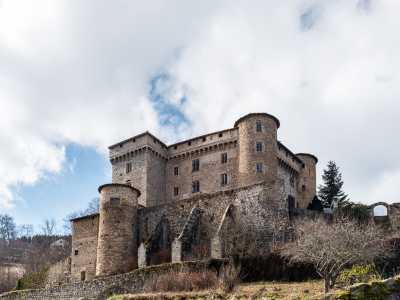
CHATEAU DES MARCULLY TALARU
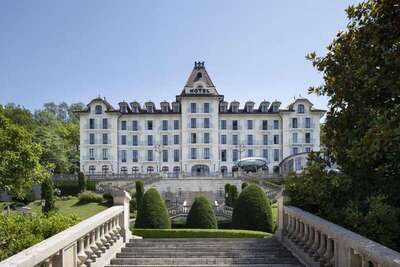
HOTEL LE PALACE DE MENTHON
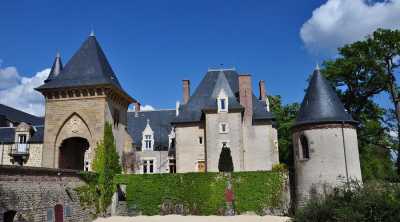
CHATEAU D'ORIGNY
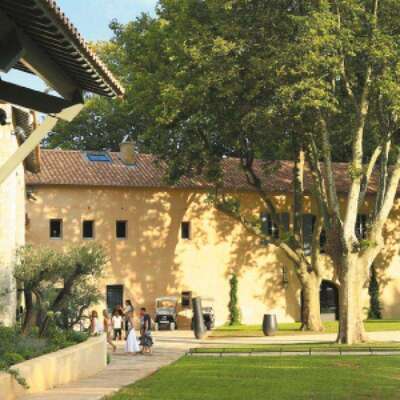
DOMAINE DE MANVILLE
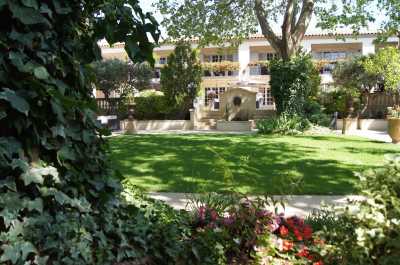
VILLA MAZARIN AIGUES MORTES
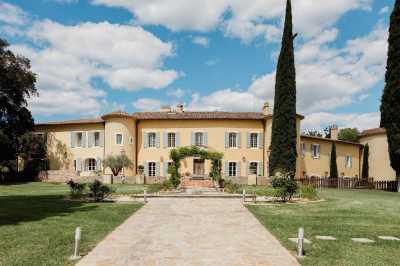
CHATEAU LES CROSTES
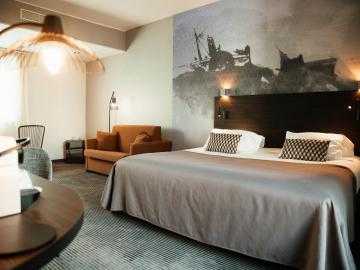
HOTEL VICTOR HUGO & SPA