
Chateau Chenonceau
Chateau Chenonceau
4 Members like this place
About Chateau Chenonceau
Add to favoritesChenonceau, with its famous two-story gallery overlooking the Cher River, is one of the jewels of Loire Valley architecture. Its Italian influences and French characteristics are clearly visible. Of the original building, only the Tour des Marques remains today, a vestige of the medieval castle that borders the Cher. Chenonceau was built, furnished, and transformed by women of very different temperaments. It was built by Katherine Briaçonnet in 1513, enriched by Diane de Poitiers, and enlarged under Catherine de Medici. It became a place of retreat under the White Queen Louise of Lorraine, then it was saved by Louise Dupin during the French Revolution, and finally, transformed by Madame Pelouze. Due to the large number of women who have been in charge of it, it is nicknamed "the Ladies' Castle." The private estate of Chenonceau has belonged to the Menier family since 1913 and is open to the public. The castle has been listed as a historical monument since its initial inscription on the list in 1840, and the park by decree dated November 7, 1962. The building and its surroundings have been part of the Loire Valley, a UNESCO World Heritage Site, since July 9, 2017.
Tip for an even more exceptional visit.
For a truly "smart" visit to the Château de Chenonceau, the ultimate tip is to arrive as soon as it opens and head straight to the far end of the park, beyond the gallery over the Cher River, to admire the south façade. While the crowds throng the first few rooms, you'll enjoy absolute tranquility facing the monument. For an unusual perspective, be sure to visit the kitchens located in the bridge piers: this is the most vibrant and ingenious part of the château, often more impressive than the royal chambers. Another secret tip is to rent a rowboat to pass literally under the arches of the gallery; it's the only way to truly appreciate the immensity of this "bridge-residence" while escaping the throngs. Finally, end your visit at the Potager des Fleurs (Flower Garden) rather than the formal gardens of Diane de Poitiers, to discover the rare varieties used by the château's florists—a unique skill in France.
6 Key Dates
-
square_foot
1513
Construction by Catherine Briçonnet: The medieval Château des Marques was razed (except for the keep) to make way for a Renaissance residence. Catherine Briçonnet supervised the work while her husband was at war.
-
castle
1547
Henry II's gift to Diane de Poitiers: The king offered the castle to his favorite. She commissioned the creation of the magnificent gardens that bear her name and had the first bridge built, linking the castle to the south bank of the Cher.
-
castle
1559
Upon the king's death, his widow Catherine de Medici dismissed Diane de Poitiers. She had the famous two-story gallery built on the Pont de Diane.
-
castle
1733
Louise Dupin buys back the castle. She holds a brilliant salon there, frequented by Voltaire and Rousseau, saving the monument from the Revolution.
-
swords
1914
The military hospital During the Great War, the Menier family (owners since 1863) transformed the galleries on the Cher into a hospital to treat more than 2,000 wounded.
-
swords
1940
During the Second World War, the Cher River marked the demarcation line. The castle gallery became a secret crossing point for fleeing from the occupied zone (north) to the free zone (south).
The stories of your visits
Submit your review.tpetit
2026-01-27"Chenonceau est sans doute le plus beau château de la Loire. Sa galerie qui enjambe le Cher est une prouesse architecturale unique et d'une grâce infinie. Les intérieurs sont richement meublés, toujours décorés de superbes bouquets de fleurs fraîches. Les jardins de Diane de Poitiers et de Catherine de Médicis complètent parfaitement ce tableau romantique. Malgré le monde, la visite reste fluide et l'atmosphère y est absolument magique. Une merveille absolue"
cperrin
0000-00-00"Un château original et une visite documentée."
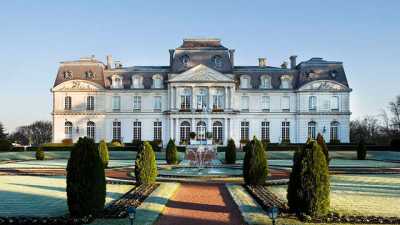
CHATEAU D'ARTIGNY
Centre-Val-de-Loire
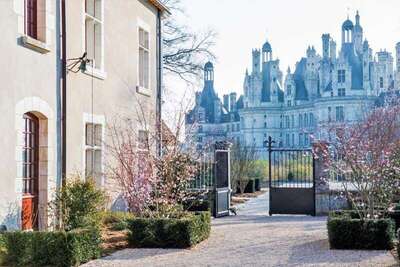
LE RELAIS DE CHAMBORD
Centre-Val-de-Loire
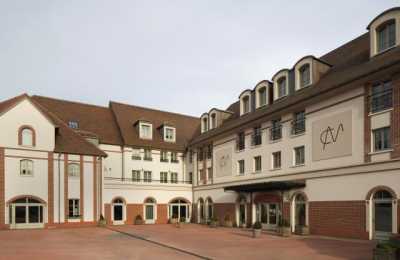
CASTEL MAINTENON
Centre-Val-de-Loire
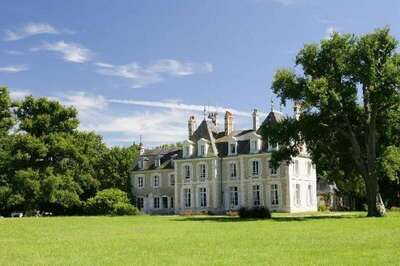
LES SOURCES DE CHEVERNY
Centre-Val-de-Loire
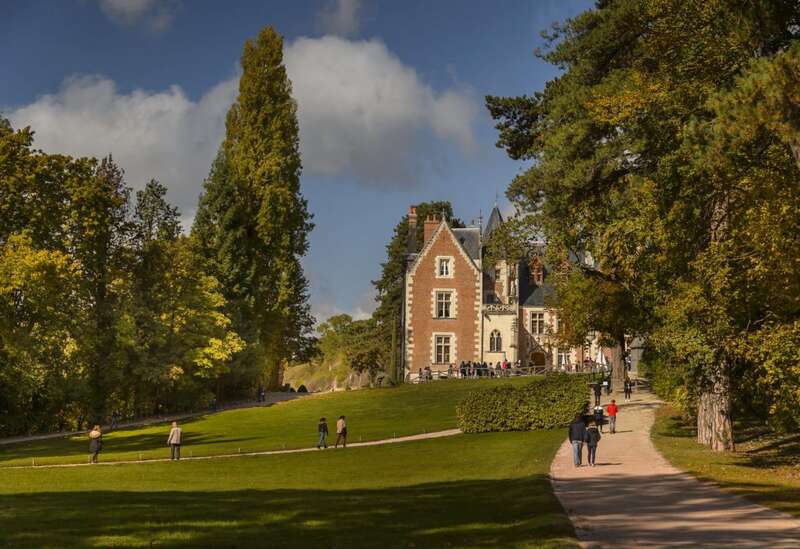
CHATEAU DU CLOS LUCE PARC LEONARDO DA VINCI
Centre-Val-de-Loire
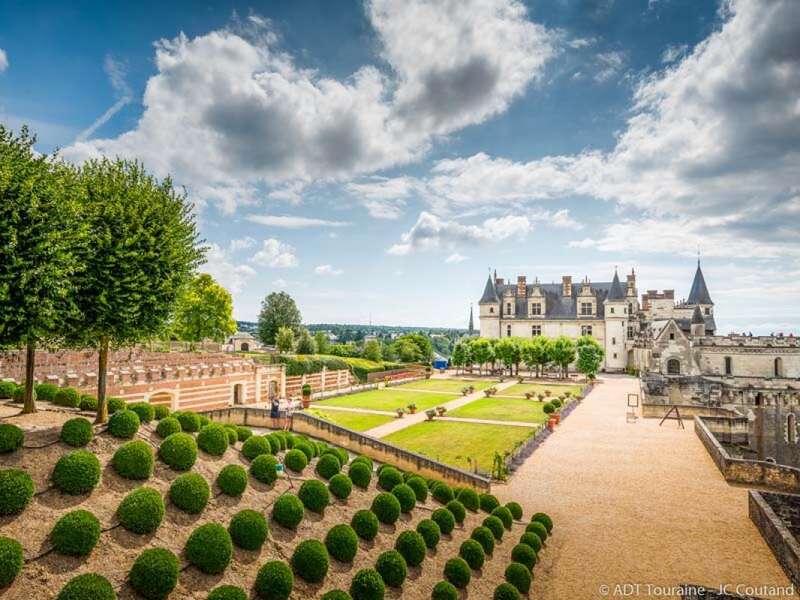
CHATEAU ROYAL D'AMBOISE
Centre-Val-de-Loire
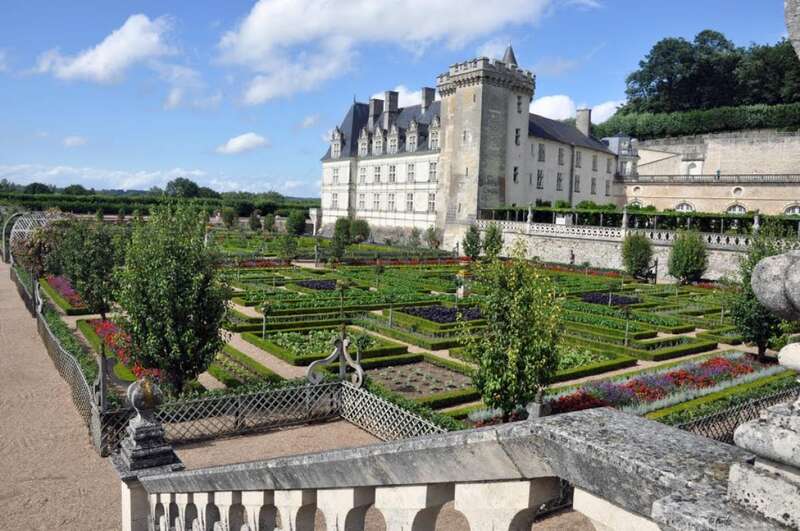
CHATEAU DE VILLANDRY
Centre-Val-de-Loire
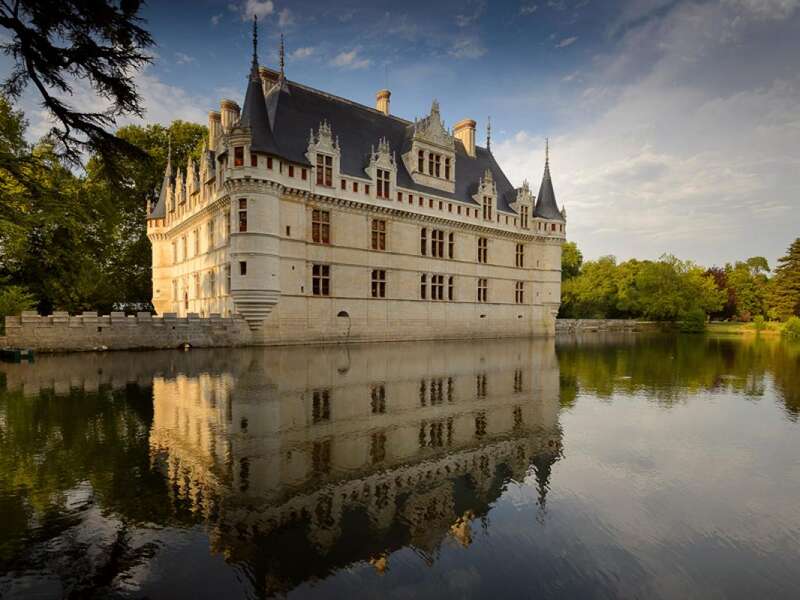
CHATEAU AZAY LE RIDEAU
Centre-Val-de-Loire
Check with the chateaux, restaurants and managers before any engagement.