
Chateau Royal d'Amboise
Visit the Royal Château of Amboise in the Loire Valley. Discover Leonardo da Vinci’s tomb, stunning Renaissance architecture, and panoramic views from the world-famous gardens.
Chateau Royal d'Amboise
Visit the Royal Château of Amboise in the Loire Valley. Discover Leonardo da Vinci’s tomb, stunning Renaissance architecture, and panoramic views from the world-famous gardens.
193 Members like this place
About Chateau Royal d'Amboise
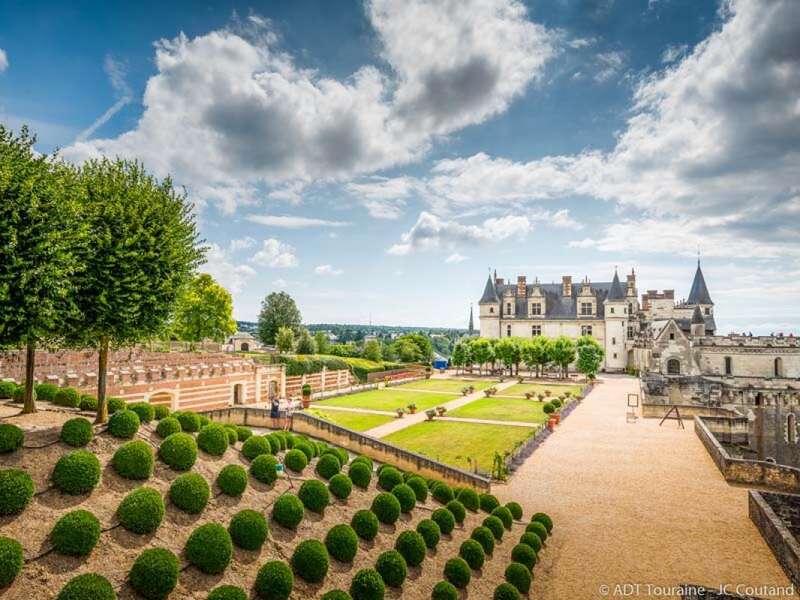
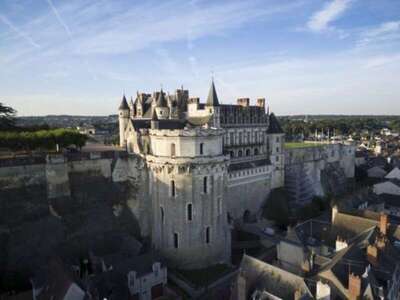
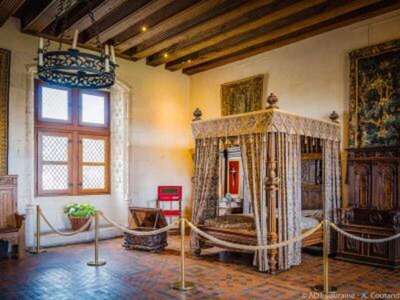
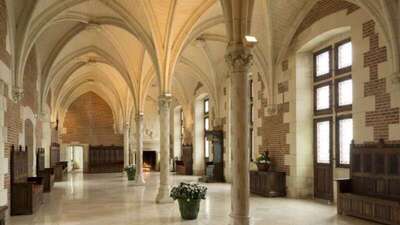
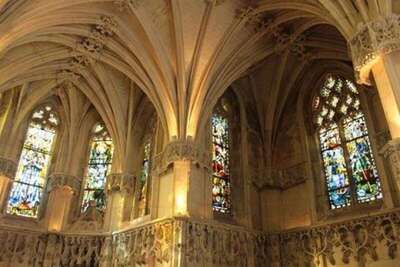
Add to favoritesThe Renaissance Balcony Perched on a rocky spur, the Château d’Amboise offers one of the most beautiful panoramas in the Loire Valley. A former residence of the kings of France, this monument marks a major turning point in history: it was here that Italian influence took firm root at court, transforming the medieval fortress into a Renaissance palace of exceptional refinement. A visit is a journey to the heart of royal power, from the richly furnished apartments to the imposing cavalier towers (the Tour des Minimes and the Tour Heurtault), whose gently sloping ramps once allowed horses and carriages direct access to the terraces. But the site is also inextricably linked to a universal figure: Leonardo da Vinci. Invited by Francis I, the Tuscan genius spent the last years of his life in Amboise and now rests in the Saint-Hubert Chapel, a jewel of Flamboyant Gothic sculpture suspended above the void. Between its Mediterranean gardens, its ramparts steeped in history and its sweeping views of the royal river, the Château d'Amboise perfectly embodies French elegance and art de vivre.
Tip for an even more exceptional visit.
For a smart visit to the Royal Château of Amboise, the trick is not to rush straight to the royal apartments. Head first to the Saint-Hubert Chapel, perched on the rampart: this is where Leonardo da Vinci is buried. The secret to appreciating it is to look up at the delicate stonework of the portal, so fine that you forget it's limestone. Then, don't miss the descent via the Tour Cavalière des Minimes: its immense helical ramp allowed horses and carriages to ascend from the town level to the gardens; a feat of engineering that today offers a rather magical sound and light. The real secret for the view is to settle down in the landscaped gardens at the end of the rocky spur. Rather than staying near the entrance, walk to the statue of Leonardo da Vinci: it's the best spot to admire the Loire River, a UNESCO World Heritage Site, and understand why the kings of France chose this strategic defensive location. For the iconic photo, leave the château and cross the bridge to Île d'Or at sunset; the reflection of the Renaissance façades in the water is simply regal. Finally, keep an eye out for the secret tunnels: the château sometimes offers guided tours of the underground passages that once connected the fortress to Clos Lucé.
5 Key Dates
-
castle
1431
The castle was confiscated by King Charles VII from the Amboise family following a conspiracy. It then became a strategic royal residence.
-
square_foot
1492
Charles VIII called upon Italian artists to transform his castle, introducing the first influences of the Renaissance to France.
-
palette
1516
The arrival of Leonardo da Vinci: At the invitation of Francis I, the Italian genius settled at Clos Lucé, connected to the château by an underground passage. He brought the Mona Lisa with him and died in Amboise in 1519.
LEONARD DE VINCI -
flag
13/3/1560
The Amboise Conspiracy: During the early stages of the Wars of Religion, Protestant conspirators attempted to kidnap the young King Francis II. The plot failed and ended in a massacre: hundreds of bodies were hung from the castle's balustrades.
-
castle
1873
Restoration by the House of Orléans After the massive destruction suffered during the Revolution and the Empire, the castle was returned to the Orléans family who undertook to save what remained of the royal residence.
The stories of your visits (en-US)
Submit your review.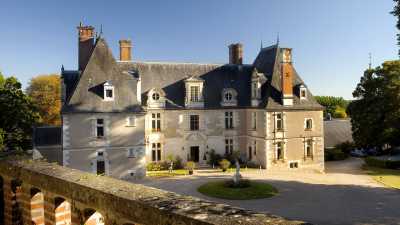
CHATEAU DE NOIZAY
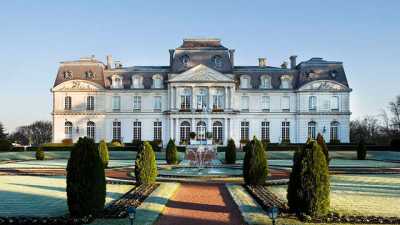
CHATEAU D'ARTIGNY
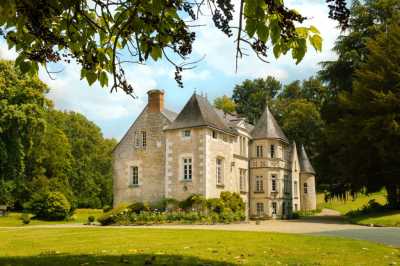
DOMAINE DE LA COMMANDERIE DE BALLAN
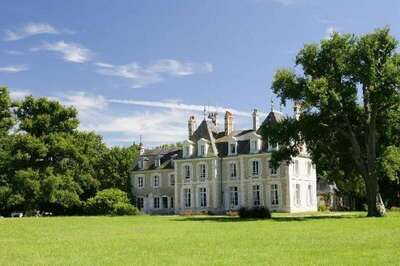
LES SOURCES DE CHEVERNY
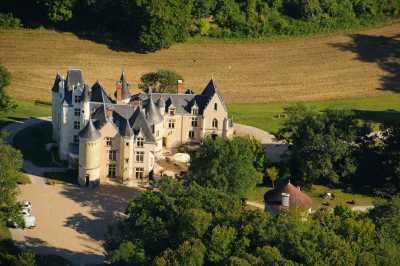
CHATEAU DE BROU
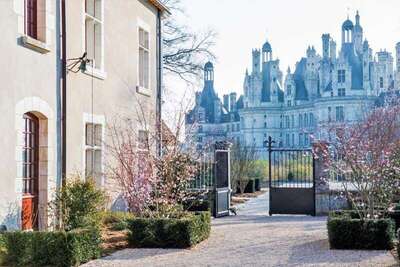
LE RELAIS DE CHAMBORD
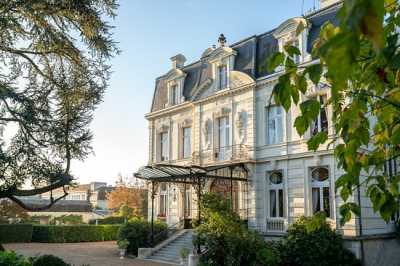
CHATEAU LA COMTESSE DE LOIRE & SPA
LEPRINCE