
Citadelle de Bonifacio
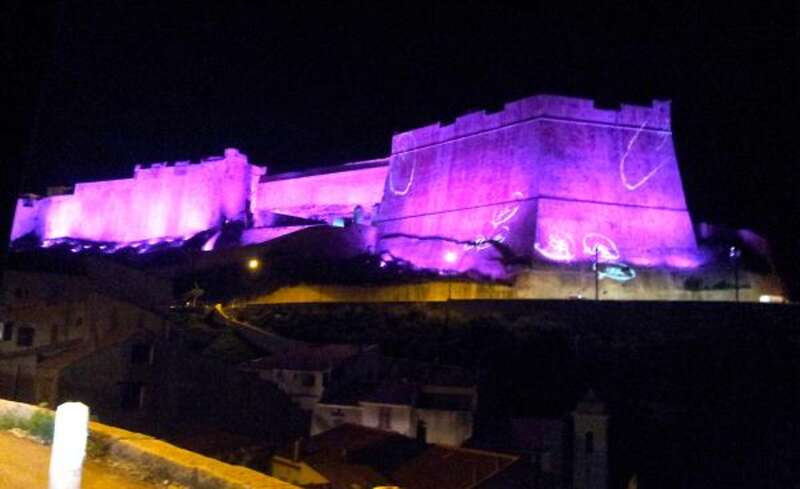
Citadelle de Bonifacio
13 Members like this place
About Citadelle de Bonifacio
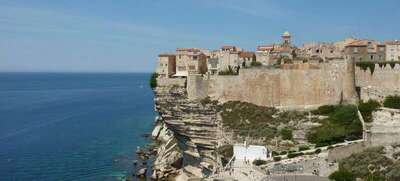
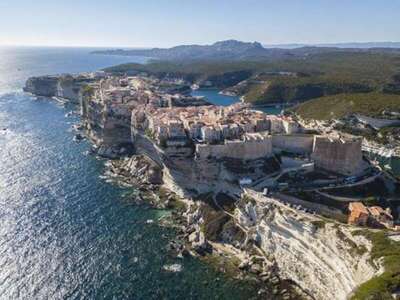
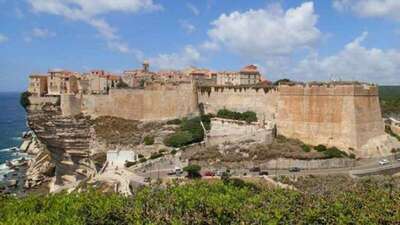
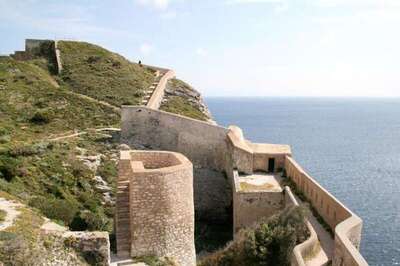
Add to favoritesEnclosed within its fortifications, the medieval citadel is perched on a limestone promontory over 60 meters high, sculpted over millennia by the sea and wind. A veritable open-air museum, here you will find suggestions for visiting the citadel in a different way: a miniature train, a mobile app, and an audio guide are just some of the ways to explore its rich religious, military, and civil heritage. You can also find information on must-see monuments and all guided tours! The citadel of Bonifacio is a military structure built gradually from the 12th century onwards to protect Bonifacio, an important stronghold of the Republic of Genoa, ensuring the security of its trade between Genoa, Liguria, and Sardinia, and controlling the Strait of Bonifacio. It is referred to as the "citadel" of Bonifacio. Historians distinguish between a "citadel" and a "presidium," or "preside" in French. A preside is a fortified complex inhabited by a population tasked with defending the city and providing services there. A citadel has a purely military function. Bonifacio was the first presidency built by the Genoese in Corsica, at the end of the 12th century. Bonifacio is built on a limestone plateau with horizontal layers and a high cliff facing the sea, approximately 60 meters high.
Tip for an even more exceptional visit.
To avoid exhaustion in the sun and crowds, don't climb to the citadel via the Saint-Roch pass in the middle of the afternoon: instead, take the Rastello ascent at sunset to enjoy the golden light on the cliffs. The secret to an iconic view is to exit the walls through the Genoa Gate and walk for a few minutes along the coastal path towards the Madonetta lighthouse; it's from here, and not from within the city, that you'll have the necessary distance to photograph the citadel overlooking the sea caves. For dinner, seek out the small, hidden restaurants tucked away in the loggias (covered passageways) rather than the terraces on the port, which are often more authentic and sheltered from the wind.
The stories of your visits (en-US)
Submit your review.
CITADELLE DE CALVI
Corse
Check with the chateaux, restaurants and managers before any engagement.