
Chateau de Martainville
Château de Martainville: Museum of Norman Traditions and Arts
Chateau de Martainville
Château de Martainville: Museum of Norman Traditions and Arts
0 Members like this place
About Chateau de Martainville
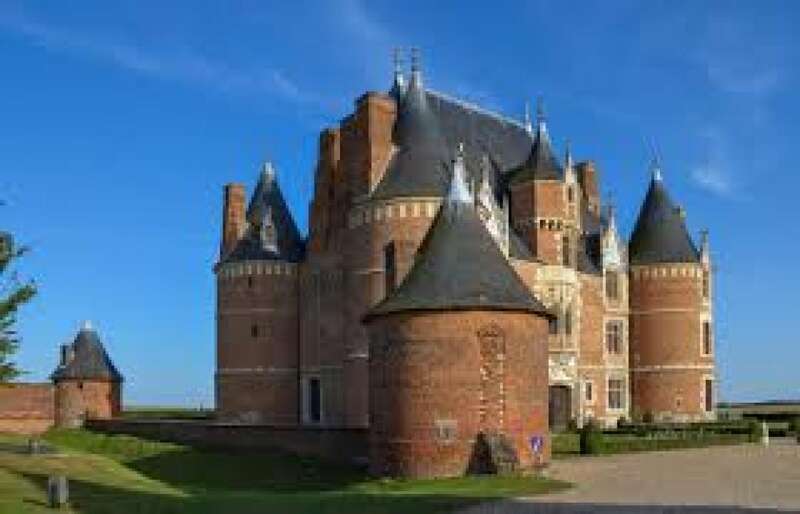
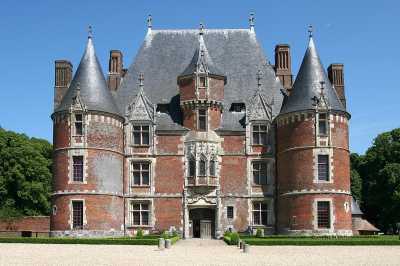
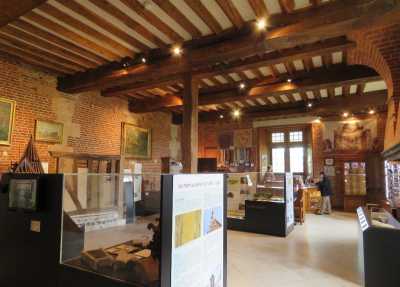
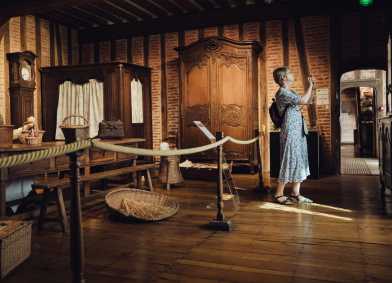
Add to favoritesBuilt at the end of the 15th century by Jacques Le Pelletier, the Château de Martainville is a masterpiece of Early Renaissance architecture in Normandy. This brick and stone fortress, which has preserved its imposing defensive system and four corner towers, is striking for its carved chimneys and delicate ornamentation. It remains one of the rare examples of a manor house that has survived the centuries without major structural changes, providing an authentic look at the transition from the Middle Ages to the Renaissance. Since 1961, the castle has housed the Museum of Norman Traditions and Arts, an exceptional collection tracing daily life in Normandy from the 16th to the 19th century. Through its extensive galleries, you will discover reconstructed interiors, intricately carved furniture, traditional costumes, and folk art. Between the architectural elegance of the building and the richness of its ethnographic collections, Martainville is an essential cultural stop for anyone wishing to understand the identity and soul of the Normandy region.
Tip for an even more exceptional visit.
You should take a moment to admire the facade details before entering; the alternating dark and light bricks create geometric patterns typical of the region that are beautifully preserved. Once inside, you will likely appreciate the thematic progression of the rooms, allowing you to travel through Norman rural history, from cider making to the evolution of local fashion. You might want to extend your visit by strolling through the flower garden and the Renaissance-inspired vegetable garden surrounding the castle, which provide a peaceful setting for a walk after exploring the collections. Finally, don't forget to look up in the upper rooms to admire the massive timber frames, true masterpieces of carpentry that showcase the skill of the craftsmen of that era.
The stories of your visits (en-US)
Submit your review.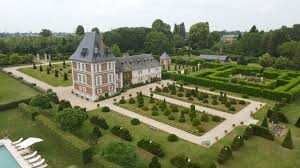
DOMAINE DU BOSC ROGER
LE CHATEAU BOULAY-MORIN
DOMAINE SAINT ANGE
CHATEAU VILLIERS-LE-MAHIEU
LE MANOIR DE LA POTERIE
PAVILLON HENRI 4
MERCURE AMIENS CATHEDRALE
AUBERGE DU JEU DE PAUME