
Hotel de Sade
Visit the Hôtel de Sade in Saint-Rémy. Explore Roman baths and medieval treasures in a stunning Renaissance mansion. A hidden gem of Provence history!
Hotel de Sade
Visit the Hôtel de Sade in Saint-Rémy. Explore Roman baths and medieval treasures in a stunning Renaissance mansion. A hidden gem of Provence history!
0 Members like this place
About Hotel de Sade
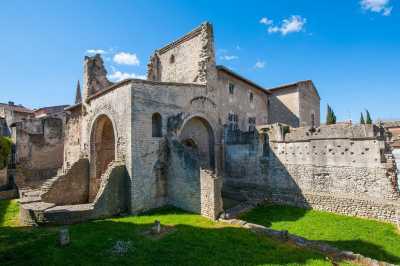
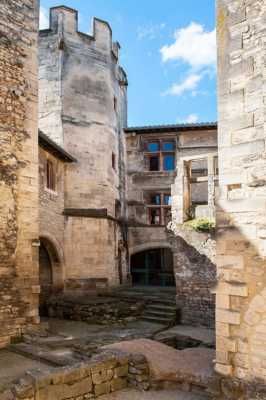
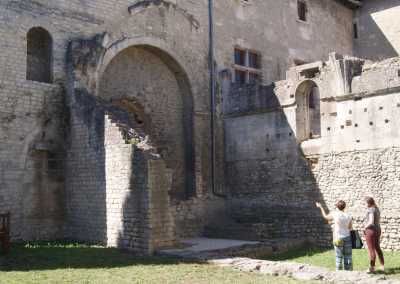
Add to favoritesA Journey Through Time in Saint-Rémy-de-Provence In the heart of Saint-Rémy-de-Provence's historic center, the Hôtel de Sade is a unique architectural and archaeological gem. This 15th- and 16th-century mansion, once belonging to the infamous Sade family, is more than just an exceptional Renaissance residence: it serves as a showcase for treasures unearthed from the nearby Glanum archaeological site. Upon entering, visitors discover a spectacular collection of ancient sculptures, votive altars, and everyday objects that tell the story of the Gallo-Roman city's grandeur. It is a striking dialogue between medieval stone, Renaissance splendor, and the ancient roots of Provence. In 2026, the Hôtel de Sade will be an essential complement to a visit to Glanum. The museum's layout, both modern and respectful of the historic building, allows visitors to admire up close the details of the Corinthian capitals and bas-reliefs, unaltered by the centuries. Between its shaded courtyards and vaulted halls, the site offers an atmosphere of absolute serenity, far removed from the tourist bustle. Owned by the Centre des Monuments Nationaux, this place is a veritable time capsule where the history of Provence unfolds layer by layer, from Antiquity to the modern era.
Tip for an even more exceptional visit.
The Glanum + Sade Combined Ticket: For total immersion, always purchase the combined ticket with the Glanum archaeological site. Begin your morning exploring the open-air ruins at the foot of the Alpilles mountains, then head to the town center for lunch and visit the Hôtel de Sade in the afternoon. This will allow you to see the artifacts "in their context" in the morning, and then admire them "up close" and away from the heat in the museum.
The stories of your visits (en-US)
Submit your review.
DOMAINE DE MANVILLE
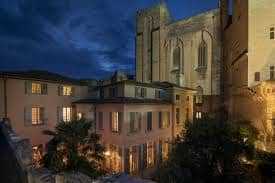
LA MIRANDE
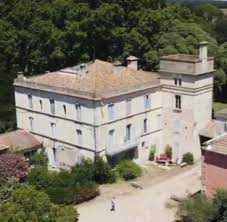
CHATEAU DE CAMPUGET
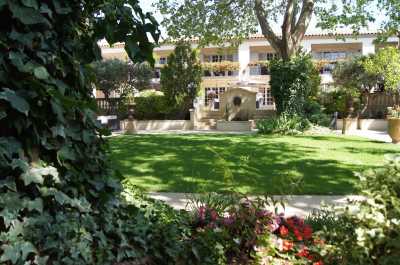
VILLA MAZARIN AIGUES MORTES
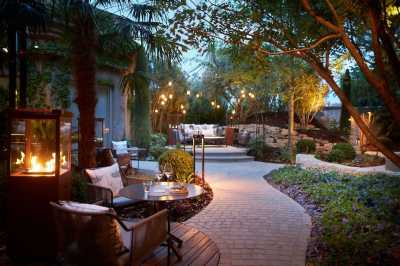
LA MAISON PIC
CHATEAU LES CROSTES
CHATEAU LES CARRASSES
LE DOMAINE DE DONY