
Chateau des Ducs de Bretagne
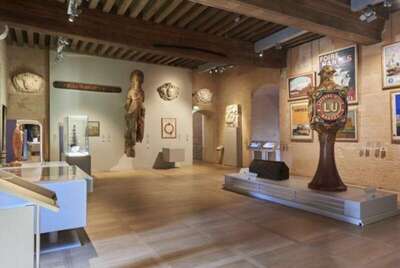
Chateau des Ducs de Bretagne
13 Members like this place
About Chateau des Ducs de Bretagne
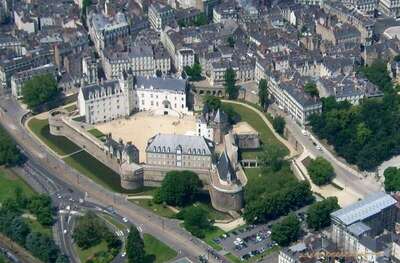
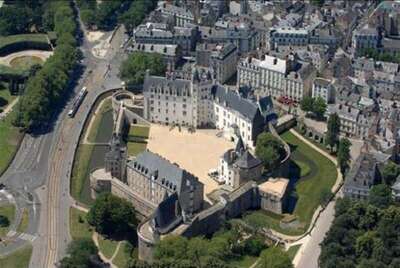
Add to favoritesThe Château des Ducs de Bretagne is a defensive and pleasure castle located in Nantes, in the Loire-Atlantique department of France. Classified as a historical monument since 1840, it was primarily built in the 15th century but also includes elements dating from the 14th to the 18th centuries. Founded by the Dukes of Brittany in the 13th century as a defensive base in Nantes, the castle became, under Francis II, the principal Breton ducal residence. Its military function was also used by the Duke during the Mad War, in which he opposed the King of France. His daughter, Duchess Anne, was later forced to marry two successive French kings, Charles VIII and Louis XII. These marriages led to the union of Brittany with France, definitively sealed by an edict signed at the castle in 1532 by Francis I. From then on, the castle lost its status as a ducal residence and became a royal fortress. It witnessed the passage of most French kings when they visited Brittany, and it served as the official residence of the province's governors. Nevertheless, their stays were generally brief, with the notable exception of the Duke of Mercoeur, a governor who held court there during the Wars of Religion. Under the Ancien Régime, the castle also served as a state prison, and especially as a barracks and military arsenal. It suffered no damage during the Revolution, but the explosion of the gunpowder stores in 1800 destroyed a significant portion of the structure. In the 19th century, the castle retained its military function, but its heritage value was gradually recognized, and some restoration work was undertaken. Owned by the city of Nantes from 1915, it became a museum in 1924. From 1990 to 2007, it underwent a major renovation and since 2007 it has housed the Nantes History Museum.
Tip for an even more exceptional visit.
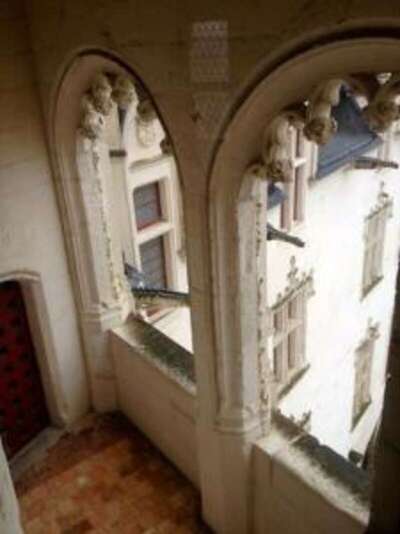
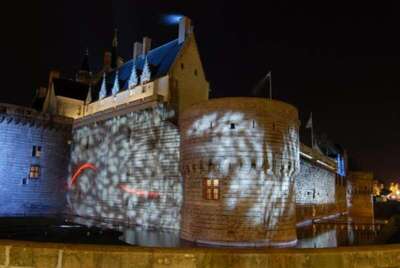
For a smart visit to the Château des Ducs de Bretagne, the trick is to start by walking the entire length of the ramparts' walkway (free access). It's the best way to observe the striking contrast between the white Renaissance tufa stone on the courtyard side and the dark medieval granite on the moat side. Once inside the museum, don't just look for suits of armor: spot the giant model of Nantes in 1900, a marvel of precision, and don't miss the interactive touchscreens hidden in the former kitchens that allow you to virtually "manipulate" 18th-century objects. The real secret is to go down into the dry moat to walk all the way around the monument at ground level; that's where you'll find the giant slide (if it's working) for an unusual descent, or simply the best vantage point to see the towers reflected in the water.
1 Key Dates
-
church
13/4/1598
Edict of pacification signed by Henry IV in Nantes, which defined the rights of Protestants in France and put an end to the Wars of Religion.
HENRI IV
The stories of your visits (en-US)
Submit your review.Jessica26
2024-08-31"Art lovers dream. "

HOTEL BARRIERE LE ROYAL LA BAULE
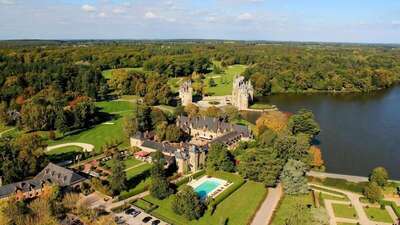
HOTEL LE DOMAINE DE LA BRETESCHE

CHATEAU DE MAUBREUIL

DOMAINE DU LIZIEC - MGALLERY COLLECTION

MIRAMAR LA CIGALE

MAISON DES AMBASSADEURS
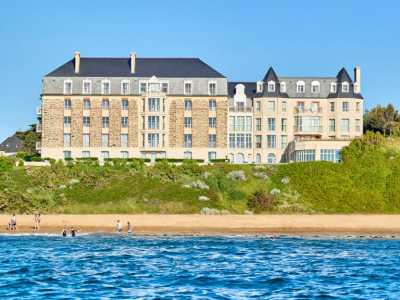
RESIDENCE REINE MARINE

LEPRINCE