

Opera Garnier
Palais Garnier, Paris: tickets, tours and history of a marble-and-gold opera house in the heart of the city
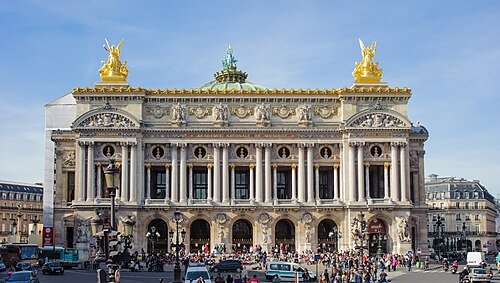


Opera Garnier
Palais Garnier, Paris: tickets, tours and history of a marble-and-gold opera house in the heart of the city
About Opera Garnier
Add to favoritesOpened in 1875, the Opéra Garnier, also known as the Palais Garnier, is one of the most iconic landmarks in Paris. Standing on Place de l'Opéra in the 9th arrondissement, this Second Empire masterpiece is named after its architect, Charles Garnier, who was only 35 when he won the competition launched in 1861 under Napoleon III. The façade sets the tone: columns, sculptures, busts of great composers and gilded domes announce a building conceived as a temple of spectacle. Look for Carpeaux's famous sculpture group La Danse, whose original is now kept at the Musée d'Orsay. Inside, the Grand Staircase steals the show. Its polychrome marble, sweeping balustrades and glowing lights turn it into a stage of its own, where audiences once came to see and be seen before the curtain even rose. The Grand Foyer, with its gilding, mirrors and ceiling paintings, recalls the Hall of Mirrors at Versailles and shows the era's love of splendor. The Italian-style auditorium, in red and gold, seats around 1,900 people. Its monumental chandelier, made of bronze and crystal, weighs several tonnes. Look up and you will see the ceiling painted by Marc Chagall in 1964. Its vivid colors pay tribute to great operas and ballets, creating an unexpected dialogue between tradition and modernity. The Palais Garnier is also a place of legend. It inspired Gaston Leroux's 1910 novel The Phantom of the Opera, and the famous Box 5 still draws curious visitors. The underground "lake" is real: it is a vast water cistern that helps stabilize the building. Another surprise: beehives on the roof produce honey that has become something of a Parisian celebrity. Beyond its architecture, the Palais Garnier remains a living center of creation. It mainly hosts the ballets of the Paris Opera, one of the world's most prestigious dance companies, while the Opéra Bastille focuses more on the opera repertoire. Visitors can also explore the library-museum, which holds models, costumes and scores. Easy to reach (Opéra metro station, lines 3, 7 and 8; RER A Auber), the Opéra Garnier can be visited independently, on a guided tour or during a performance. For lovers of history, architecture or the stage, it is an essential stop in the capital, easily combined with the Grands Boulevards, Galeries Lafayette and the department-store district.
Tip for an even more exceptional visit.
Book a time slot online and arrive at opening time: the Grand Staircase and Grand Foyer are much quieter for photos. Check opening hours on the official website, as rehearsals and events can close some areas, including the auditorium. If you can, attend a ballet from the restricted-view seats, an affordable way to experience the house in full glory.
The stories of your visits (en-US)
Guides and books
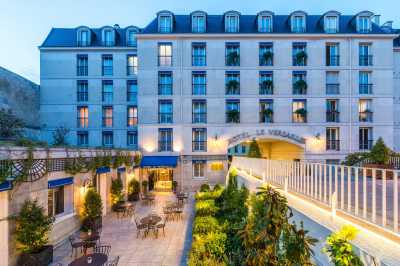
HOTEL LE VERSAILLES
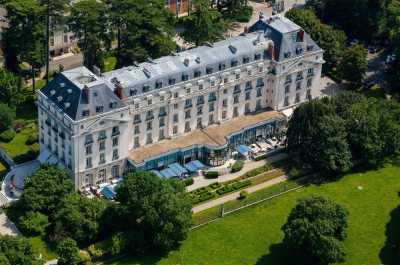
WALDORF ASTORIA VERSAILLES - TRIANON PALACE
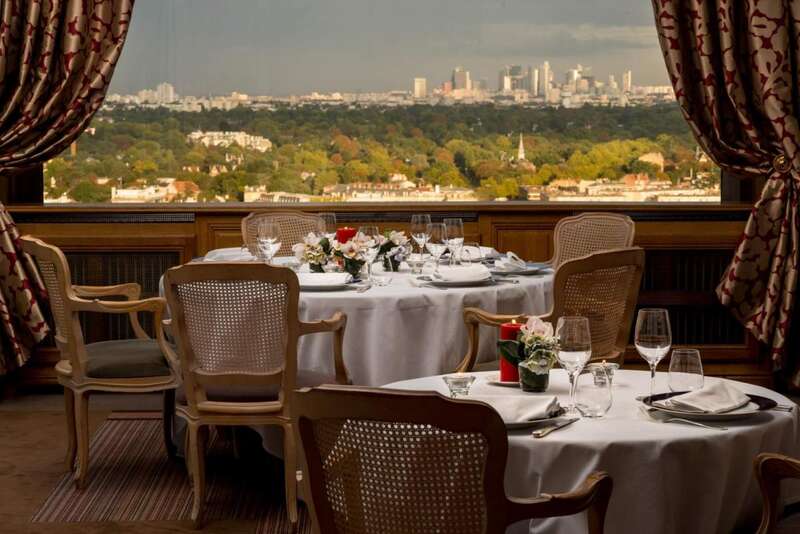
PAVILLON HENRI 4

VERSAILLES : DEJEUNEUR CHEZ ORE ET BILLET COUPE FILE

ABBAYE DES VAUX-DE-CERNAY
AUBERGE DU JEU DE PAUME

LE GRAND PAVILLON CHANTILLY
CHATEAU VILLIERS-LE-MAHIEU