
Key Dates
LOUIX XVI
""
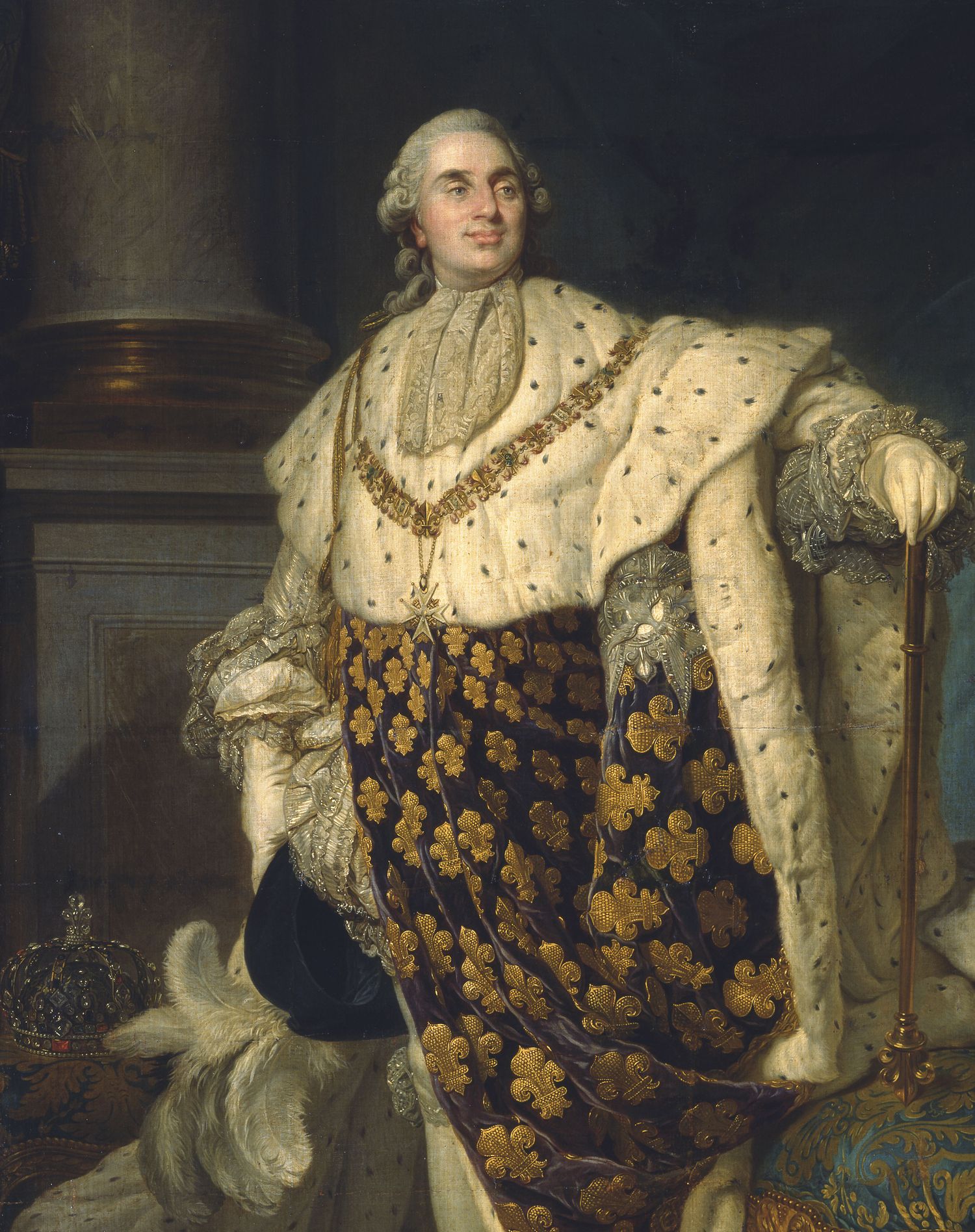
A Youth in the Shadow of the Crown Born in 1754 as Louis-Auguste, the future Louis XVI was not initially prepared to bear the weight of the kingdom. A studious but reserved child, he grew up in the shadow of his older brother, the Duke of Burgundy, whose premature death propelled him to the position of heir. Very different from his grandfather Louis XV, the young prince was passionate about science, geography, and manual labor such as locksmithing, far removed from court intrigues. His marriage in 1770 to Marie Antoinette of Austria was primarily a diplomatic act aimed at reconciling two rival powers, but it began with awkwardness and isolation in the face of the stifling etiquette of Versailles. A Reformist King Facing Stagnation When he ascended the throne in 1774, Louis XVI inherited a powerful but financially drained France. Driven by good intentions, he surrounded himself with visionary ministers like Turgot to try to modernize the economy and establish fiscal justice. However, the king lacked the necessary resolve to impose these changes in the face of the nobility and the parliaments, who fiercely protected their privileges. Meanwhile, his costly involvement in the American Revolutionary War, although militarily victorious, ultimately ruined the state's finances, forcing the sovereign to convene the Estates-General in 1789, a move that would seal the fate of the monarchy. The Fall of an Absolute Monarch The French Revolution radically transformed the role of Louis XVI, who went from absolute monarch to King of the French under a constitutional monarchy. Overwhelmed by the rapid pace of events, such as the storming of the Bastille and the abolition of privileges, he wavered between outward acceptance of the reforms and passive resistance. The final break with the people came in June 1791 with his failed attempt to flee to Varennes. This act was perceived as an irreparable betrayal. From then on, mistrust took hold, exacerbated by threats from foreign powers, leading to the insurrection of August 10, 1792, and the imprisonment of the royal family. The Final Sacrifice The trial of Louis XVI, now known as Citizen Louis Capet, opened before the Convention in a highly charged atmosphere. Accused of conspiracy against public liberty and attacks against the security of the State, he defended himself with a dignity that surprised his detractors. Despite the passionate debates between the Girondins and the Montagnards, his execution was voted by a narrow majority. On January 21, 1793, he mounted the scaffold with remarkable composure, maintaining his innocence until the very end. His death marks a symbolic and irreversible break in the history of France, signifying the definitive end of the Ancien Régime.