
Key Dates
VIOLLET LE DUC
"Eugène"
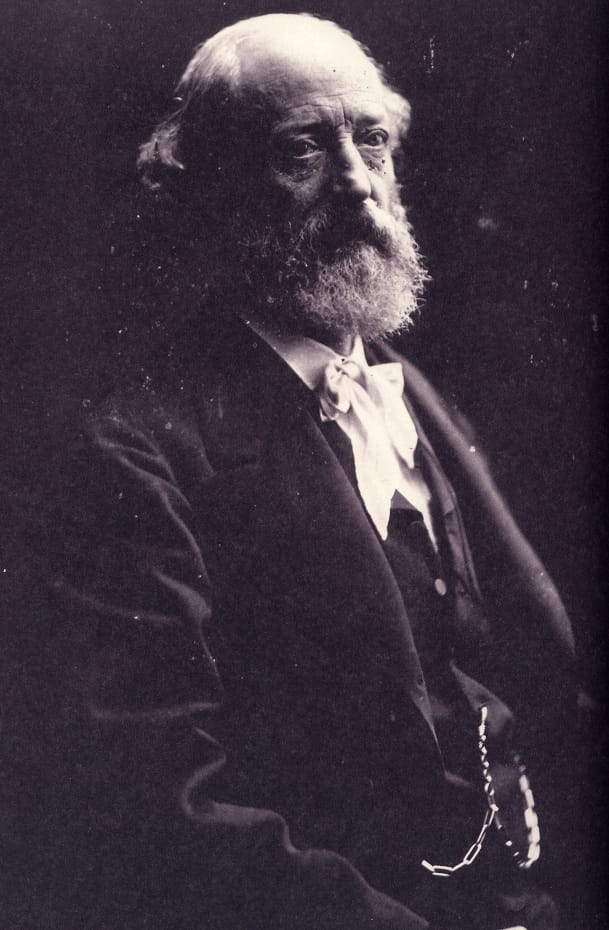
Eugène Viollet-le-Duc is one of the most prominent and controversial figures in 19th-century French architecture. Born into a cultured family, he turned away from the classical training of the École des Beaux-Arts to learn on the job, traveling throughout France and Italy. Gifted with exceptional draftsmanship and an insatiable curiosity for the Middle Ages, he became a leading figure in monumental restoration. His approach was based on a profound conviction: restoring a building is not merely about maintaining it, but about reinstating it in a complete state that may never have existed at any given time. Beyond his monumental projects such as Notre-Dame de Paris and the fortified city of Carcassonne, Viollet-le-Duc was a visionary theorist. In his writings, notably his renowned Dictionnaire raisonné de l'architecture française (Dictionary of French Architecture), he advocated a constructive rationalism. He analyzed how structure (function) should dictate form, an idea that would later influence the pioneers of modern architecture and Art Nouveau. A committed Republican and close to Emperor Napoleon III, he left his mark on the French landscape by saving dozens of Gothic masterpieces from ruin, while imbuing them with his own creative vision.